
play_arrow
Listeners:
Top listeners:
00:00
00:00
volume_up
chevron_left
-
 play_arrow
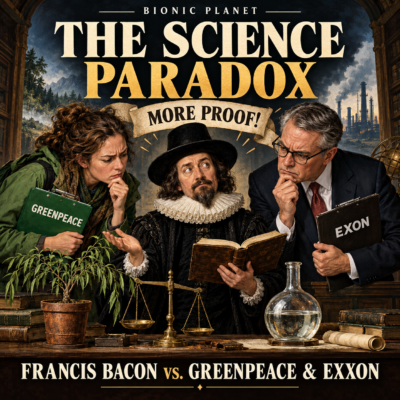
123 | A Science Paradox: Would Francis Bacon Have Survived Greenpeace and Exxon?
-
 play_arrow
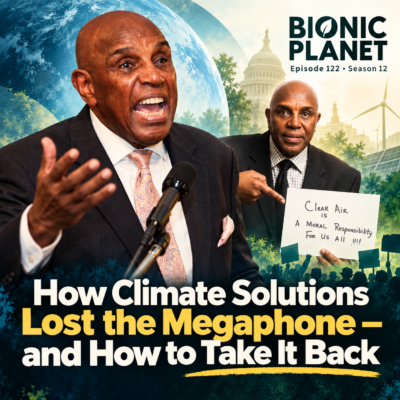
122 | How Climate Solutions Lost the Megaphone — and How to Take It Back, with Reverend Dr. Gerald Durley
-
 play_arrow
121 | Michael Greene: Carbon Cowboy or Lone Ranger Part 2 – The $200 Million Land Heist in the Amazon
-
 play_arrow
120 | Indonesia is Still Moving its Capitol, and Nobody Cares?
-
 play_arrow
118 | Kenyan Herders Say Judgement Against Them Based on Forged Signatures / Continuation of Episode 117
-
 play_arrow
117 | Surviving Survival Internatinal, Part 1: Kenyan Elders Call Foul on International Media, NGOs
-
 play_arrow
116 | From Ticking Time Bomb to Demographic Dividend: James Mwangi and Kenya's Great Carbon Valley
-
 play_arrow
115 | Unpacking Donald Trump's Very Weird Environmental Orders
-
 play_arrow
114 | Michael Greene: Carbon Cowboy or Lone Ranger? Part 1
-
 play_arrow
113 | The Future of Environmental Finance: Strategies for Biodiversity and Climate Solutions, with David Hill and George Kelly
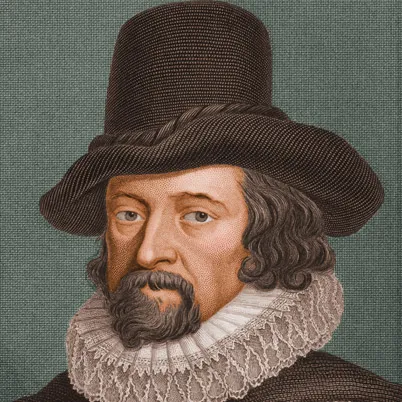
107 | Francis Bacon and the Prehistory of Climate Finance. Second in an intermittent series on the Untold Story of the Voluntary Carbon Market
-
 play_arrow
PLAY EPISODE
Transcript arrow_drop_down

Transcript
In this episode of Bionic Planet, we delve into the history of the science underpinning Nature-based Climate Solutions (NbCS), beginning in the 1620s, in the Flemish village of Vilvoorde.
The episode kicks off with the story of Jan Baptist van Helmont, a physician who conducted an experiment planting a five-pound baby willow tree in a 200-pound pot of soil, launching a sequence of events that solved the riddle of where trees come from, accelerated the Industrial Revolution that propelled us to our current state of ecological overshoot, and planted the seeds of our eventual salvation.
The narrative then takes us through the evolution of scientific thought, from the ancient Greek philosophers to the alchemists of the Middle Ages, and eventually to the pioneers of modern chemistry like Joseph Black and Antoine Lavoisier. We explore the concepts of phlogiston, fixed air, and the discovery of oxygen, shedding light on the gradual unraveling of the mysteries of the natural world.
The episode also highlights the contributions of individuals like Joseph Priestley and Jan Ingenhousz, who made key observations about the role of plants in purifying air and the process of photosynthesis. These discoveries laid the foundation for our understanding of how plants breathe in carbon dioxide and release oxygen, shaping our knowledge of the interconnectedness of ecosystems.
The episode wraps up with a brief segue into the concept of latent heat, as elucidated by Joseph Black, and its pivotal role in the development of steam engines. This technological advancement sparked the Industrial Revolution, which delivered previously unimaginable wealth to the world but pushed our planet to the brink of ecological collapse.
As the host, I aim to provide a comprehensive and engaging exploration of the historical milestones that have shaped our understanding of climate and biodiversity finance. By unraveling the untold story of the voluntary carbon market, I seek to dispel myths, challenge simplistic narratives, and foster a deeper appreciation for the complexities of environmental science.
Join me on this enlightening journey through the annals of scientific discovery, as we uncover the threads that connect past breakthroughs to present-day challenges and solutions. Together, we can gain a deeper insight into the intricate web of relationships that sustain life on our bionic planet. Thank you for tuning in to Bionic Planet, where we explore the past to illuminate the path forward.
Episodes
play_arrow

play_arrow

play_arrow