


play_arrow
Listeners:
Top listeners:
00:00
00:00
volume_up
chevron_left
-
 play_arrow
123 | A Science Paradox: Would Francis Bacon Have Survived Greenpeace and Exxon?
-
 play_arrow
122 | How Climate Solutions Lost the Megaphone — and How to Take It Back, with Reverend Dr. Gerald Durley
-
 play_arrow
121 | Michael Greene: Carbon Cowboy or Lone Ranger Part 2 – The $200 Million Land Heist in the Amazon
-
 play_arrow
120 | Indonesia is Still Moving its Capitol, and Nobody Cares?
-
 play_arrow
118 | Kenyan Herders Say Judgement Against Them Based on Forged Signatures / Continuation of Episode 117
-
 play_arrow
117 | Surviving Survival Internatinal, Part 1: Kenyan Elders Call Foul on International Media, NGOs
-
 play_arrow
116 | From Ticking Time Bomb to Demographic Dividend: James Mwangi and Kenya's Great Carbon Valley
-
 play_arrow
115 | Unpacking Donald Trump's Very Weird Environmental Orders
-
 play_arrow
114 | Michael Greene: Carbon Cowboy or Lone Ranger? Part 1
-
 play_arrow
113 | The Future of Environmental Finance: Strategies for Biodiversity and Climate Solutions, with David Hill and George Kelly
86 | The Race to Save the Cloud Forests of Kenya’s Chyulu Hills
-
play_arrow
PLAY EPISODE
Transcript arrow_drop_down

Transcript
A decade ago, the cloud forests of Kenya’s Chyulu Hills were on the brink of collapse, threatening water supplies for the Tsavo and Amboseli Plains — and for the coastal City of Mombasa, 250 kilometers away.
Then the Kenya Forestry and Wildlife Services teamed up with the Maasai Wilderness Conservation Trust, the Big Life Foundation, the Sheldrake Wildlife Trust, Conservation International, and, most importantly, grazing collectives, called “community group ranches” to launch the Chyulu Hills REDD+ Project — a thirty-year private-public partnership designed to save the hills by overhauling the rural economy.
First in a series focused on ecological restoration in southern and central Kenya.
Episodes
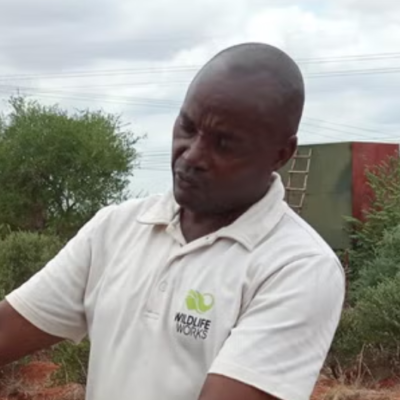
play_arrow
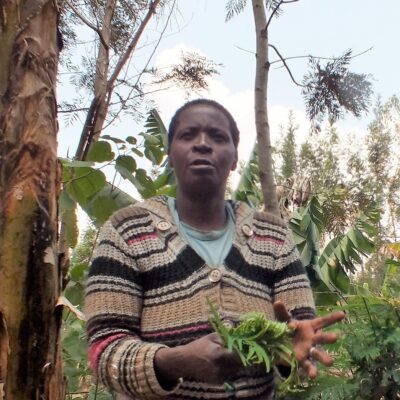
play_arrow
play_arrow
play_arrow